
Key Takeaways
- Regular maintenance of your heating system ensures optimal performance and longevity.
- Simple steps like replacing air filters and sealing drafts can significantly improve energy efficiency.
- Professional inspections can identify potential issues before they become major problems.
Table of Contents
- Introduction
- Replace Air Filters
- Schedule a Professional Inspection
- Seal Air Leaks
- Test Your Thermostat
- Clean Vents and Ducts
- Insulate Pipes
- Check Carbon Monoxide Detectors
- Consider Upgrading Your System
Introduction
As temperatures plummet and winter approaches, homeowners must ensure their heating systems are in peak condition to keep their living spaces warm, comfortable, and safe. Early preparation is key, not only does it boost efficiency, but it can also save you from untimely breakdowns that can lead to expensive repairs.
For those seeking professional support, scheduling a furnace tune up Manasquan NJ, is an effective way to ensure your system performs optimally throughout the season.
Attention to heating maintenance and home insulation can contribute to reduced utility costs and improved indoor air quality. In addition to consulting specialists for your heating system’s well-being, adopting proactive practices at home can make a significant difference in how your heating system manages the winter chill.
Replace Air Filters
One of the most straightforward and cost-effective steps to prepare your heating system is checking and replacing air filters. Clogged and dirty filters restrict airflow, placing unnecessary strain on the system and diminishing heating efficiency. It is recommended to examine your filters monthly during high usage periods and replace them when needed, typically every 1-3 months.
This habit not only enhances performance but also contributes to better indoor air quality and lower energy bills. Organizations like the U.S. Department of Energy recommend this simple maintenance to extend your system’s lifespan.
Schedule a Professional Inspection
Before winter sets in, bringing in a licensed HVAC technician for an annual inspection can preempt issues that might otherwise lead to system failure when you need heat the most. A professional will check vital parts, including burners, blower motors, heat exchangers, and safety switches.
Regular tune-ups ensure efficient operation, reduce wear and tear, and help you catch minor problems before they become costly emergencies. According to Energy Saver, professional maintenance can result in up to 30% energy savings.
Seal Air Leaks
No matter how strong your furnace, drafts and leaks, commonly around windows, doors, and attics, will force your system to work harder. Conduct a careful inspection for cold spots or visible gaps and seal leaks with caulk or weatherstripping.
Upgrading insulation, especially in attics and basements, can substantially improve your home’s energy efficiency, studies indicate a potential 10-15% reduction in heating and cooling costs. A professional energy audit can pinpoint trouble areas if you’re unsure where leaks exist. For more thorough DIY guidance, check the Family Handyman’s guide to insulation.
Test Your Thermostat
Ensuring your thermostat is accurate and responsive is an often-overlooked aspect of seasonal preparation. Test settings to see if your system responds accordingly. If you have an outdated thermostat, consider upgrading to a programmable or smart model, which allows you to customize temperature settings based on your schedule.
These devices can automatically lower the heat at night or when you’re away, reducing energy use without sacrificing comfort. The Consumer Reports guide to smart thermostats provides helpful comparisons for homeowners interested in newer technology.
Clean Vents and Ducts
Blocked vents and dirty ductwork can impede warm air distribution, causing some rooms to remain cold while others overheat. Walk through your home and make sure all supply and return vents are unobstructed by furniture, curtains, or dust. You may also notice improved air quality after a professional duct cleaning, especially if you have pets or family members with allergies.
Although routine duct cleaning isn’t always necessary, it is beneficial after major home renovations or if you detect significant dust buildup.
Insulate Pipes
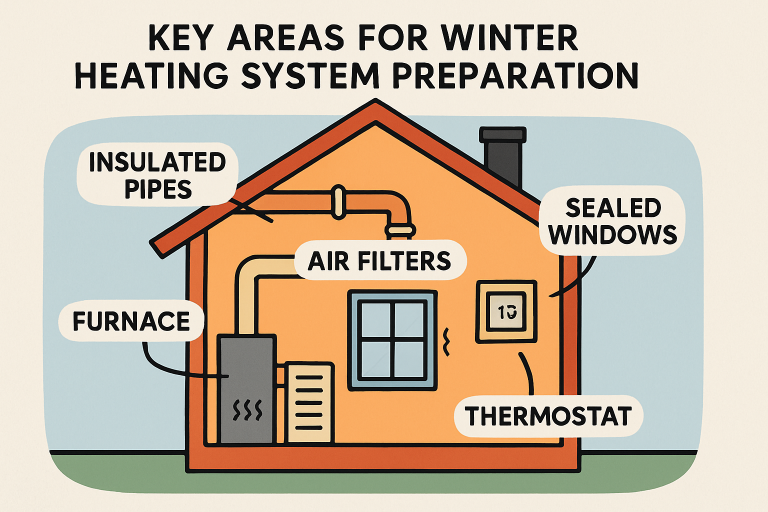
Exposed pipes, especially in garages, basements, or crawl spaces, are at risk for freezing and bursting in cold weather. Wrapping vulnerable pipes with foam insulation sleeves or heat tape is an easy preventive measure to avoid costly plumbing repairs and reduce heat loss.
Prioritize areas that remain unheated or are drastically colder than the rest of the house. Sound pipe insulation protects against freezing, keeps your water warmer, and reduces demand on your hot water heater.
Check Carbon Monoxide Detectors
Heating systems fueled by natural gas, oil, or propane can produce carbon monoxide (CO) if they don’t function properly. It is vital to ensure that working CO detectors are placed near bedrooms and on each home level. Test alarms, replace batteries, and confirm the device hasn’t expired, most have a lifespan of 5-7 years. The Centers for Disease Control and Prevention (CDC) offers additional recommendations on carbon monoxide safety to keep your family protected.
Consider Upgrading Your System
If your heating unit is over 15 years old, you might benefit from investing in a modern, more energy-efficient model. New systems feature improved technology, better fuel utilization, and advanced filtration options for superior air quality. While the upfront cost can be significant, the savings over time and enhanced comfort may justify the expense. Evaluate available rebates or incentives from local utilities or government programs to make upgrading more affordable.
These proactive steps ensure your home stays cozy, efficient, and safe through even the harshest winter. From routine filter replacement to professional furnace tune-ups and home insulation improvements, each measure contributes to greater comfort and peace of mind all season long.


